
How to Look After a Fresh Tattoo: The Ultimate 2025 Aftercare Guide
Share
Getting a tattoo is one of the most exciting decisions you can make. Whether it’s your first tattoo or your fifteenth, nothing beats the feeling of seeing fresh ink on your skin. But once you walk out of the tattoo studio, the real responsibility begins:
👉 How do you look after a fresh tattoo properly so it heals perfectly, stays bright, and avoids infection?
Unfortunately, most people don’t follow aftercare correctly.
Some listen to random TikTok advice.
Some over-clean, some under-clean, and some pick at the scabs… and then wonder why their tattoo fades fast.
This guide is written for the American audience, using US hygiene standards, dermatologist-approved tips, and tattoo-artist-recommended guidelines. It’s long, thorough, and written in a natural, human style.
Let’s begin your perfect tattoo-healing journey.
Chapter 1: Why Tattoo Aftercare Matters So Much
Tattoo aftercare isn’t just about making your new ink look good.
It's about:
-
Preventing infection
-
Helping the tattoo heal evenly
-
Avoiding unnecessary scarring
-
Maintaining the brightness of the colors
-
Ensuring your design stays crisp for years
A tattoo is essentially an open wound, created by thousands of tiny needle punctures. Proper care is the only way to prevent bacteria, irritation, and damage.
In the United States, the CDC emphasizes that skin procedures like tattooing require strict hygiene. But once you’re home, you become responsible for protecting that tattoo.
Chapter 2: What Happens to the Skin After You Get a Tattoo? (Science Behind Healing)
Understanding the healing process helps you avoid mistakes.
A fresh tattoo goes through three major stages:
1. The Oozing Stage (Day 1–3)
-
Your tattoo leaks plasma, ink, and a little blood.
-
The area may feel tender, warm, or slightly swollen.
-
Color appears darker and shinier.
2. The Scabbing & Itching Stage (Day 4–14)
-
Light scabs or thin flakes begin to form.
-
Itchiness increases as skin regenerates.
-
The tattoo might look dull or cloudy — this is normal.
3. The Settling Stage (Week 3–6)
-
The outer layer is healed
-
The deeper layers continue healing
-
Colors start to brighten and stabilize
Healing doesn’t stop at one week. A tattoo takes 4–6 weeks to fully settle under the skin.
Chapter 3: First 24 Hours — The Most Important Aftercare Window
What you do immediately after the tattoo can make or break the final result.
Every tattoo artist in America has their own method, but the majority agree on these fundamentals:
Step 1: Leave the Bandage On (2–6 Hours)
Your artist will cover your tattoo with:
-
A sterile bandage
-
Medical film like Saniderm
-
Or a breathable wrap
Don’t remove it too early. It protects you from bacteria, dust, sweat, and friction.
Step 2: Wash Your Hands First
Never touch a fresh tattoo with unwashed hands.
Use antibacterial soap.
Step 3: Gently Wash the Tattoo
Use:
-
Lukewarm water
-
Unscented antibacterial soap (Dial Gold, Dr. Bronner’s Baby Unscented, etc.)
-
Clean fingers only (no washcloths or loofahs)
Rub gently until plasma and excess ink lift off.
Step 4: Pat Dry (Don’t Rub)
Use a paper towel or a fresh soft towel.
Do NOT scrub.
Step 5: Apply a Thin Layer of Tattoo Aftercare Ointment
Preferred US-safe ointments include:
-
Aquaphor Healing Ointment
-
Hustle Butter Deluxe
-
A+D Ointment
-
After Inked Tattoo Lotion
Use a very thin layer.
Shiny? Too much.
Greasy? Way too much.
Too much ointment suffocates the wound and delays healing.
Chapter 4: How to Care for Your Tattoo Day by Day
This is the most detailed section — exactly what American tattoo studios teach.
Days 1–3: Cleaning & Moisturizing
You should:
-
Wash 2–3 times daily
-
Apply a thin layer of ointment after each wash
-
Keep the area clean and breathable
-
Avoid friction, sweat, and sun
Don’t soak it. Don’t scratch it. Don’t over-moisturize.
Days 4–14: The Scabbing & Itching Phase
This is where most people ruin their tattoos.
Your skin will:
-
Flake like a sunburn
-
Look patchy
-
Itch intensely
What to do:
-
Switch from ointment to a light, fragrance-free lotion
-
Moisturize 2–3 times/day
-
Let scabs fall off naturally
-
Wear loose clothing
-
Stay away from sun and pools
Never, ever pick flakes.
Pulling off a scab = pulling off your ink.
Weeks 3–6: Deep Healing
Your skin now looks healed on the surface, but underneath, it’s still repairing.
-
Continue moisturizing
-
Avoid tanning beds
-
Use SPF 50+ daily
-
Keep the tattoo clean
-
Avoid rough scrubbing in the shower
This is where color brightens again.
Chapter 5: The Don’ts — What Can Damage a Fresh Tattoo
❌ Don’t expose it to sunlight
UV rays destroy tattoo pigments fast.
❌ Don’t swim
Avoid:
-
Pools
-
Hot tubs
-
Oceans
-
Lakes
-
Bathtubs
These are full of bacteria.
❌ Don’t scratch
Even during the peak itching stage — no scratching.
❌ Don’t wear tight clothes
Friction removes scabs and causes fading.
❌ Don’t work out excessively
Sweating introduces bacteria and increases irritation.
❌ Don’t shave or wax the area
You will damage the healing skin.
❌ Don’t rewrap unless instructed
Trapping moisture breeds bacteria.
Chapter 6: Tattoo Aftercare Products That Are Actually Safe
Here’s what American tattoo artists recommend:
Best Soaps
-
Dial Gold Antibacterial
-
Cetaphil Gentle Cleanser
-
Dr. Bronner’s Baby Unscented
Best Ointments
-
Aquaphor
-
A+D Ointment
-
Hustle Butter
Best Lotions
-
Lubriderm
-
CeraVe Daily Moisturizing Lotion
-
Eucerin Advanced Repair
No fragrances, no alcohol, no whitening agents.
Chapter 7: Extra Tips for Better Healing
✔ Sleep in clean sheets
Avoid redness and infection.
✔ Keep pets away
Dog/cat fur = bacteria and irritation.
✔ Stay hydrated
The skin heals faster.
✔ Eat nutrient-rich foods
Vitamin C, zinc, omega-3s support wound healing.
Chapter 8: What Is Normal During Healing?
These symptoms are normal:
-
Mild redness
-
Slight soreness
-
Clear or slightly pink plasma
-
Itchiness
-
Flaking
-
Cloudy appearance
All are part of the process.
Chapter 9: When to See a Doctor (USA Medical Guidelines)
Seek medical help if you notice:
-
Spreading redness
-
Green/yellow pus
-
Fever
-
Intense swelling
-
Foul odor
-
Severe pain
-
Open, oozing infection
In the US, tattoo infections are commonly caused by:
-
MRSA
-
Staph bacteria
-
Unclean aftercare practices
Don’t wait — see a healthcare professional.
Chapter 10: How to Maintain Your Tattoo for Years
After it heals, long-term care matters.
-
Always use sunscreen (SPF 50+)
-
Moisturize daily
-
Avoid harsh scrubs
-
Stay hydrated
-
Touch up professionally, not at home
-
Avoid rapid weight gain/loss to prevent stretching
Chapter 11: Can You Use Tattoo Numbing Cream on Fresh Ink?
This is a common question from American audiences.
✔ Yes — but only before tattooing
Tattoo numbing cream is for pre-session use, not aftercare.
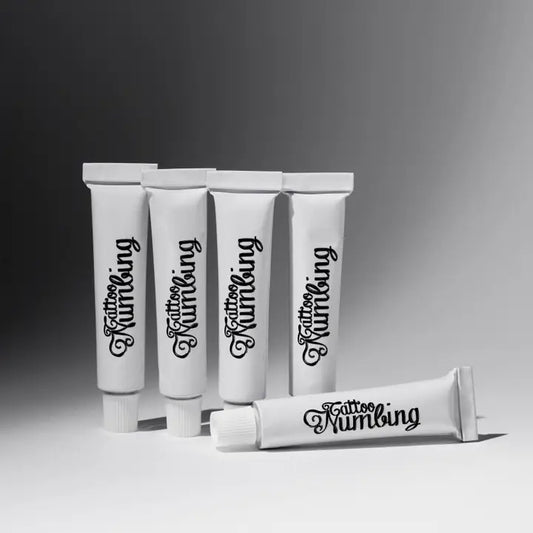
If you're looking for a reliable option, many US customers prefer:
👉 Tattoo Numbing Cream
Never use numbing cream on a healing tattoo unless a dermatologist advises.
Chapter 12: The Final Word — Your Tattoo Is an Investment, Protect It
A tattoo is art.
It’s personal.
It’s emotional.
It’s permanent.
Proper aftercare is what separates:
✔ A bright, sharp, beautifully healed tattoo
from
✘ A faded, patchy, infected one.
Follow this guide and your tattoo will not just survive — it’ll thrive.